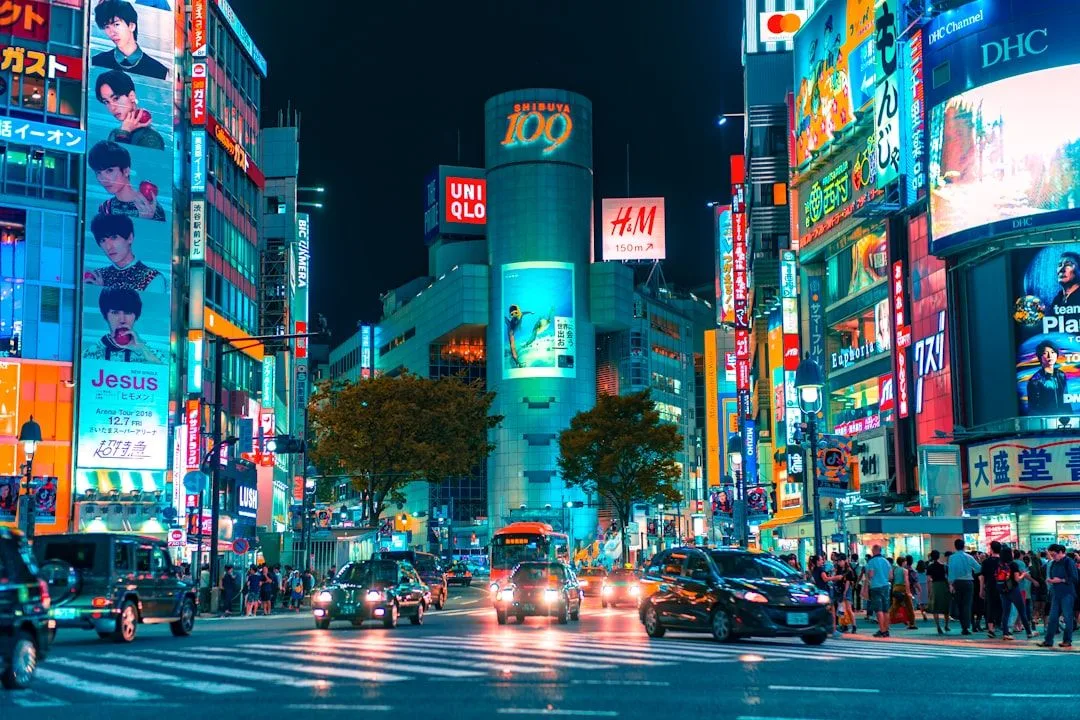
Japan has a reputation for being difficult that does not survive arrival. It is one of the easiest countries in Asia to travel independently, and packaged tours here mostly solve problems that do not exist.
What independent travel actually involves
Transport. Get a Suica or Pasmo IC card at the airport and tap for every train, subway and bus. Station signage on major routes is bilingual. Shinkansen tickets can be bought at machines with English interfaces.
Money. 7-Eleven ATMs reliably accept foreign cards. Japan is more cash-based than expected at small restaurants and shrines, but withdrawing is straightforward.
Food. Many restaurants use ticket machines or picture menus, and plastic food models in windows are a genuine ordering aid. Pointing works.
Accommodation. Business hotels, hostels and ryokan all book online in English.
The language barrier exists and rarely blocks anything practical. Translation apps handle the edge cases.
Where a tour genuinely makes sense
You want zero logistics. A legitimate preference rather than a failing. If planning is the part you dislike, a tour buys it away.
Specialist access. Temple stays, craft workshops, a sumo stable visit, a tea ceremony with a specific master — things where a guide arranges access you cannot book yourself.
Cherry blossom season. Late March and early April, when accommodation books out months ahead and independent planning is genuinely difficult, and the forecast only firms up two weeks out.
Mobility concerns. Japanese stations involve long transfers and stairs, and shinkansen luggage space is limited and now partly reservation-only. A tour handling bags removes a real difficulty.
Short trips with fixed dates, where optimising a week yourself is more work than it is worth.
Where guiding adds value without a full tour
Half-day guided experiences are the middle option and are frequently the best answer.
A food tour in Tokyo or Osaka, once, for orientation — how to order, what the regional dishes are, which alley to walk down.
A garden or temple guide in Kyoto, where the design principles and the sect distinctions are deliberate and invisible.
A local guide for a specific district — Yanaka, or Osaka's backstreets.
These cost a fraction of a packaged tour and leave the rest of the trip yours.
The JR Pass, which changes the arithmetic
Tours frequently include a rail pass as a headline benefit. Since the 2023 price rise this is worth less than it sounds.
The 7-day pass costs around ¥50,000; a Tokyo–Kyoto return is about ¥28,000. A trip covering two or three cities will not recover it.
Regional passes — JR Kansai, JR East — cover a smaller area for a fraction and fit most real itineraries better. Overnight buses undercut both.
The honest summary
For a first-time visitor to Tokyo, Kyoto and one other city, in a normal season, with reasonable mobility: independent travel is straightforward and considerably cheaper, and Japan is a country where things work.
For cherry blossom season, specialist interests, mobility needs, or a strong preference for having it arranged: a tour is a reasonable purchase rather than a compromise.
The middle path — independent travel with two or three half-day guided experiences — is what most experienced travellers end up doing, and it is the best value of the three.